



To start a card shop that lasts, solve sourcing first: what to stock, where to buy it and which numbers to watch. Pokémon, One Piece and sports cards have drawn a new generation into collecting, but a good location will not save a shop with the wrong shelves. Here is the inventory side of opening a card store.
Build Your Stock in Three Layers
Successful shops run three tiers of stock.
1. Current sealed product: the turnover engine
Booster boxes, Elite Trainer Boxes and entry-level products from the newest sets. Regulars and walk-ins buy these weekly, so aim for steady margin and quick turnover.
2. Singles and graded cards: the margin engine
Whether pulled from your own sealed stock or acquired from customers, singles offer the richest margins in the shop, though pricing them well demands skill and hours.
3. Premium and vintage sealed: the destination pieces
This is the glass case: out-of-print boxes, factory-sealed cases and Japanese exclusives. Some have historically held value while on display, and they give collectors a reason to make the trip. Prices can fall as well as rise, and this is not financial advice.
Sourcing Options Compared
| Source | Strength | Drawback |
|---|---|---|
| Official distributors | Allocations of new releases | Minimums, waitlists and small allocations of hot sets for new accounts |
| Wholesale suppliers | Current and older sealed product by the case, no allocation lottery | Pricing and legitimacy need checking |
| Japanese product | Better margins, since few local rivals stock it | Needs a dependable import source |
| Customer collections | Cheapest cost basis for singles | Needs cash on hand and sorting time |
Distributor accounts are worth having, but new shops rarely get enough of what sells. Wholesale suppliers cover the gap with English and Japanese sealed product, current and older; the guide to buying wholesale explains pricing and verification. Japanese booster boxes and exclusives are an overlooked edge, often earning better margins than English staples because nearby competitors seldom carry them. And budget cash for buying collections from the start.
Numbers That Decide Whether You Survive
- Sealed margins are thin. At retail, current sealed product earns through turnover and add-on sales like sleeves, accessories and drinks. Case pricing lowers your cost basis right away.
- Skip launch hype. New-set prices usually peak at release and soften as reprints arrive. Order deep only where demand has lasted, usually nostalgia and special sets; see which sets have held value.
- Stock several games. Pokémon pays the bills, while One Piece and Weiss Schwarz bring extra margin and new player communities through the door.
Events Count as Inventory
A weekly game night converts casual visitors into regulars and helps clear slow singles. Prize support is paid in product at your cost, yet it brings players back to spend at retail, making it one of the best marketing spends a shop has.
Sell Online From the Start
Even with a storefront, list premium items on eBay, TCGplayer or Whatnot. A $1,500 case has a thin local market but a much wider global one, so keep your display case and online listings synced.
A Realistic First Order
A lean first sealed order could be 2–3 cases of current English sets, a single ETB case, a selection of Japanese boxes, plus one or two glass-case anchors. Grow it monthly based on what sells. Booster Bay TCG supplies factory-sealed product sourced from official distributors, with 20% off every unit when you buy 5 or more of an item and free tracked worldwide shipping on orders over $499.
Card Shop FAQ
How much stock do I need on day one?
Probably less than you think. A focused sealed wall and an active singles case beat a wide, thin spread of slow sellers.
Should I carry graded cards?
Yes, once cash flow allows. Slabs anchor the display case and build credibility. Learn the main graders, PSA, BGS and CGC, before you buy.
Can a new shop order on a schedule?
Yes. Recurring monthly orders keep case pricing predictable. Start small to test any supplier, then scale.
Final Thoughts
Opening a card shop is mostly an inventory problem. Stock three layers, mix your sources, watch margins, and let events and online sales do the rest.
We use cookies to improve your experience. By continuing, you agree to our cookie policy.
I AcceptYour Cart
Add $499.00 more to get free shipping!
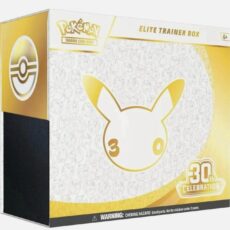
Pokemon 30th Anniversary Celebration ETB Sealed Boxes
Original price was: $175.00.$165.00Current price is: $165.00.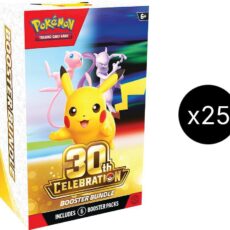
30th Celebration Booster Bundle box
Original price was: $130.00.$110.00Current price is: $110.00.30th Celebration Booster Bundle Case
Original price was: $2,890.00.$2,750.00Current price is: $2,750.00.Pokemon 30th Anniversary Celebration ETB Sealed Case 10 Boxes NEW
Original price was: $1,750.00.$1,650.00Current price is: $1,650.00.- Email:info@boosterbaytcg.com
- Address:Higashiikebukuro 1-23-9, Toshima City, Tokyo
All Categories
Search
Pokemon 30th Anniversary Celebration ETB Sealed Boxes
Original price was: $175.00.$165.00Current price is: $165.00.30th Celebration Booster Bundle box
Original price was: $130.00.$110.00Current price is: $110.00.30th Celebration Booster Bundle Case
Original price was: $2,890.00.$2,750.00Current price is: $2,750.00.